Mice Pee Smell Easy Ways to Remove It Safely
Have you ever entered the room and noticed a strange smell that doesn’t go away? This could be Mice Pee Smell which is a clue that the rodents are making their home. In Canada in the winter months, where cold temperatures push mice inside for warmth This issue comes up more often than you’d imagine. Mice are tiny creatures that can be found sliding through tiny spaces in doors or walls and they also leave behind urine that gives off this unpleasant smell.
The smell initially can be described as the smell of a strong cleaner with ammonia, which hurts your nostrils. As time passes, the smell transforms in to something less earthy, and more stale adhering to anything around.
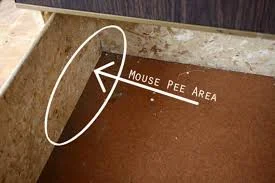
People who live in areas such as Ottawa or Quebec frequently look for ways to detect this in the early stages, especially in attics or basements in which mice have a place to hide. The urine isn’t just smelly but also marks their tracks and their territories, which can make the issue worse if it isn’t dealt with. There may be tiny yellow spots on fabrics or floors and confirm the cause.
What Does Mice Pee Smell Like?
Are you curious about the way that mice’s urine smell as? This is a question that pops frequently when people discover something strange within their homes. Fresh mice’s pee releases a strong scent, similar to the ammonia emitted by household cleaners, strong enough to make your eyes be swollen. When it dries and sits it’s odor changes into a sour color, that resembles damp fabric or perhaps a slight popcorn tinge in some instances. The change occurs because small particles in the urine break down over time, releasing gasses that remain.
In Canadian homes in which air doesn’t circulate properly in cold winter months, a smell will build in areas that are closed, such as garages or closets. It is possible to think it’s cat urine because both have the same ammonia-based base, however the mouse scents are usually less obvious but is more difficult to get rid of. Take a sniff near baseboards or under furniture to determine if they are popular mouse trails. If the smell gets stronger in one location is a sign of active nesting in the vicinity.
Some say it smells bitter and unpleasant, particularly when combined with droppings. To test this, open your windows and check if the smell goes away; if it doesn’t mice could be to be the cause. This information can help you seek out other signs such as little black rods. In areas such as British Columbia, rainy weather makes the smell evident inside the home.
Health Risks Linked to Mice Pee and Droppings
Mice do more than make noise. Their urine and droppings contain bacteria that can impact your health in subtle ways. Mice spread bacteria through three different routes beginning by breathing them into. If dried poop or pee becomes dust, it can float into the air, and then can get into your lungs, which can cause respiratory problems or flu-like symptoms. This is especially dangerous in smoky Canadian homes in the winter months. If you come in contact with areas that are contaminated and then eat food without washing your hands, you can get viruses accidentally by way of your mouth.
Children who crawl on floors or cleaning with no proper care could be at risk of this. In addition, although it is not common an animal bite could transmit viruses directly into your bloodstream, causing an acute illness. Commonly, bugs can cause a stomach ache or fever that are severe enough to look for. In areas such as Quebec in Canada, where farms and cities, the risk increases due to the increased number of mice. To stay safe, put on a glove for cleanup and protect your face from dust. Make sure your hands are clean after each contact.
Being alert to early signs, such as the distinctive smell, helps you take action before spreading. Mice breed quickly, increasing the risk of infection as numbers rise. A single female can churn out numerous babies each year and ready to breed within weeks. This can increase the amount of the number of pee and poopy areas.
Monitoring your home regularly reduces the risk. To make sure your handling is safe, you should consider experts such as My Pest Exterminator who are able to remove dangers without risk to your family. To protect your family, you must be aware of the dangers hidden in your home and taking proactive steps.
How Mice Damage Your Home?
These tiny mice can cause huge havoc in ways that you don’t be able to see immediately. They hide behind walls and take advantage of electrical wires and chew them up and rip off the protective covers. This can cause shorts, but also the possibility of sparking fires, resulting in repair costs running to 15,000 USD or more in cases that are tough. In Canada the goal of reducing electricity usage can mean avoiding costly repairs through sealing the entry point earlier.
Mice scratch wires for that sharpen or to nest, which expose live components in danger. Another area they attack is insulation, designed to keep homes warm during cold winters. They tear it into cozy mattresses, and leave gaps that allow cold air in and can increase the cost of heating. Replacing damaged insulation is not easy and is often stained with mice’s urine which can cause the smell and mess. In addition, mice gnaw at edges of furniture, boxes or even food packages making food waste and forcing to throw away items. In provinces such as Quebec older homes with wooden frames are more prone to this.
To stop this, you can plug holes using tough materials that mice cannot chew through, such as mesh. Place food items in sturdy containers. Clean up spills quickly to ensure that you don’t lure them. One mouse can lead to numerous helpers. Females give birth every couple of weeks, and up to 60 offspring each year. They grow quickly to reproduce more.
This surge can cause rapid damage development. The simple baiting of traps can aid however for places that are hidden professionals make sense. By being ahead of the curve you will be able to shield your property from the silent ravages of nature and reduce your expenses.
How to Get Rid of Mice Pee Smell?
Are you fed up with that lingering scent of mice’s pee? Here’s how to rid yourself of the smell of mice’s pee by using simple, secure techniques using items found all over the house. Begin by locating the source by looking in dark areas for staining or pellets. Wear protective gloves as well as a face mask to remain safe. Mix equal parts water and vinegar. This natural combination is able to cut through ammonia without the harmful chemicals. Spray it liberally on areas after which you wait a while and then clean it. Vinegar neutralizes odors gently.
For areas with a lot of absorbent material, like carpets, sprinkle baking soda over and leave it to soak the smells and then sweep off. The enzyme sprays that you buy at the store will break down pee proteins thoroughly Follow the label for the optimal results. Clean any items or cloths in soapy hot water. Widen windows to allow fresh air, particularly during sunny Canadian days. This helps to wash scents away. Fans can speed up this process.
If the walls are a source of odor Remove the affected area when possible, or paint them with sealants. The peppermint oil applied to cotton balls keeps mice out and helps in freshening. Repeat as often as necessary until the area is you are free of any. Use mouse-proofing techniques like caulking cracks.
For wooden flooring, dilute the vinegar helps prevent destruction. In kitchens, clean cabinets with a thorough scrub. Consistently working at it will result in clean and fresh homes. If it does, professionals such as My Pest Exterminator provide deep cleaning with a safe and secure method.
Tips to Keep Mice Away for Good
The prevention of mice from beginning can save you headaches. Make sure you seal tiny gaps around your doors, foundations and windows. Mice are able to slide through tiny gaps the size of nickels. Utilize steel wool or caulk to build long-lasting blocks. Lock food items in airtight containers. Even the crumbs can be a source of contamination.
Clean trash bins regularly and lock lids. Outside, cut back plants from walls in order to get rid of hiding places. Clear the clutter in your home to reduce the number of nesting places. Mint scents, such as natural, deter the birds. Plant some or apply oils. Be sure to check cellars and attics regularly for warning signs that are early. In the snowy Canadian areas, extra attention in the fall is beneficial. Make sure everyone shuts doors quickly. This will eliminate the smell of mice’s pee and ensure peace.