Pest Control Rosemont Montreal
Trusted pest control Rosemont Montreal for Mice & Ants in Montreal Plexus and Homes.
- ant exterminator near me H2G
- mice infestation plex Montreal Rosemont
- rodent exclusion service
- carpenter ant exterminator Montreal
4.9 Stars | Google Reviews | Thousands of Happy Clients
- Experienced VMR H3P Residential Pest Removal

Rosemont–La Petite-Patrie Pest Control Local Exterminator for Plexes and Homes
If you’ve ever lived in a plex in Rosemont–La Petite-Patrie, you know the drill by now — ants along the kitchen baseboard every May, the odd mouse making itself comfortable once November rolls around, and the frustration of dealing with a pest problem in a building where what happens in one unit rarely stays in one unit. Rosemont–La Petite-Patrie pest control is a different kind of problem than what a detached bungalow owner faces, and it needs a different kind of approach. My Pest Exterminator has spent years working through H2G and H2S, handling the specific pest pressures that come with this neighbourhood’s dense residential fabric — the triplexes, the older plexes, the converted duplexes — and we understand what it takes to actually fix the problem, not just move it around for a few weeks.
Why Plex Living Creates Unique Pest Challenges in Rosemont
Rosemont–La Petite-Patrie is one of the most densely residential boroughs on the island. With around 143,000 residents packed into a tight grid of plexes, duplexes, triplexes, and converted apartments, the housing stock here creates pest conditions that a standalone house simply doesn’t produce. Shared walls and floor structures between units mean mice can move laterally through a building without ever going outside. Shared plumbing chases and utility runs between floors give ants consistent pathways between units. A pest problem that starts on the ground floor of a plex doesn’t always stay there.
This is the core reason why treating a single unit in a plex building — without understanding what’s happening in the structure around it — often produces temporary results at best. A mouse that enters through a foundation gap doesn’t know or care where the unit boundaries are. It follows warmth, food, and cover, and in an older plex building with shared infrastructure throughout, it has plenty of all three.
The age of the housing stock amplifies this. Pre-war and mid-century construction throughout Rosemont and La Petite-Patrie means settled foundations, original masonry with natural gaps, and wood framing that has absorbed decades of seasonal movement. These buildings have character — and they have entry points that newer construction simply doesn’t.
Mice Control in Rosemont–La Petite-Patrie
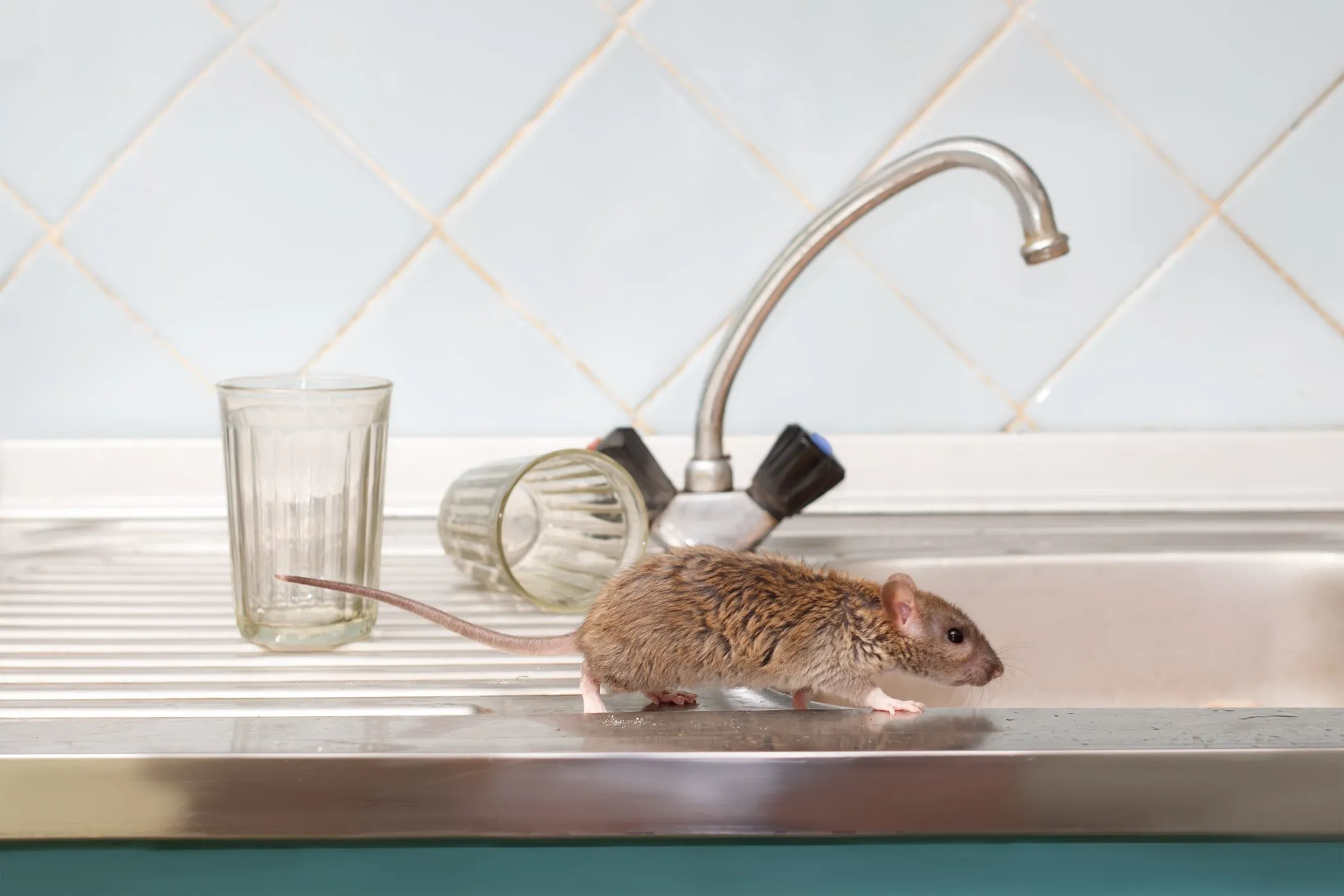
Mice are the most common pest call we get from H2G and H2S, particularly from October through March. The cooler months push mice actively indoors, and the plex buildings that define this neighbourhood give them plenty of options. A gap around a pipe penetration in the basement, a settling crack in the foundation, a worn door sweep on the back entrance to a lower unit — any of these is enough.
What makes mice control in a plex more involved than in a detached home is the shared structure. Treating only the unit where activity is visible often misses where mice are actually entering and moving through the building. We inspect the full accessible structure — basement, utility room, exterior foundation perimeter, any shared wall cavities — before recommending treatment. Trapping is part of the solution, but exclusion is where the long-term result comes from: sealing entry points with materials that hold structurally and don’t create new problems for the building.
If you’re hearing movement in the ceiling or walls at night, finding droppings in a kitchen cabinet or pantry, or noticing chewed food packaging in storage areas, those are reliable signals to call a mice exterminator before the activity spreads further through the building. The sooner exclusion work is done, the less likely a small problem becomes a multi-unit one.
Mice Control for Landlords and Property Owners in H2G and H2S
For landlords managing plex buildings in Rosemont–La Petite-Patrie, mice complaints are among the most common tenant issues in fall and winter — and under Quebec tenant law, landlords are responsible for providing pest-free housing. Acting on a mice complaint quickly, with documentation of the inspection and treatment carried out, is both the responsible approach and the legally sound one.
My Pest Exterminator works with property owners and small landlords throughout H2G and H2S on both reactive treatment and preventive inspections ahead of the fall season. We provide written records of visits and treatment applied, which gives landlords the documentation they need if a situation escalates.
Ant Extermination in Rosemont–La Petite-Patrie
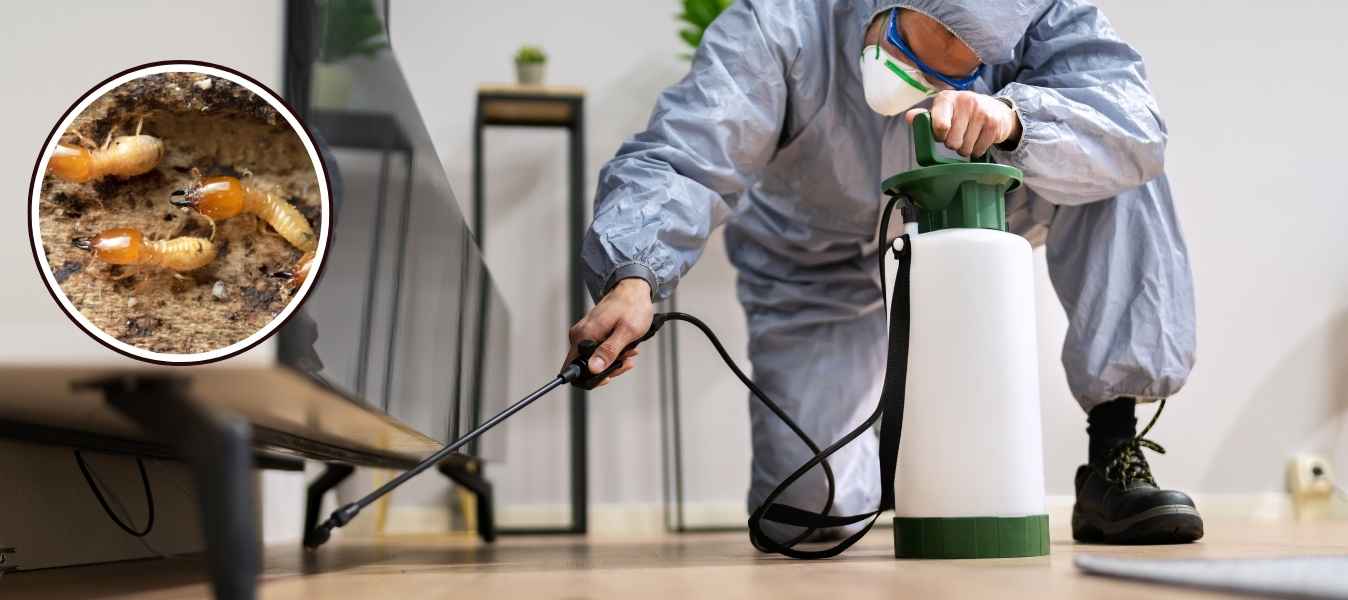
Ants show up every spring in this neighbourhood with reliable consistency, and the plex housing stock is a big part of why. The soil along foundation walls in densely built residential areas like Rosemont builds up over decades — compacted, undisturbed in many spots, and full of exactly the kind of structure pavement ants and carpenter ants look for when establishing a colony.
Pavement ants are the most frequent ant complaint in H2G and H2S. They nest in soil along the foundation line — often under front steps, along the side of the building, or beneath concrete patio areas in backyards — and push inside through foundation cracks, gaps around utility penetrations, and any small opening at grade level. The trail that appears in the kitchen or bathroom is the visible end of a much larger colony established outdoors.
Carpenter ants are a different and more serious concern. They don’t nest in soil — they nest in wood, particularly wood that has absorbed moisture over time. In older plex buildings, that often means basement framing, sill plates near the foundation, or subflooring in areas with a history of water infiltration. A carpenter ant presence inside an older building isn’t just a pest problem; it’s often a signal that there’s moisture damage worth investigating.
We identify the ant species during inspection before recommending treatment, because the approach for pavement ants and carpenter ants is different enough that treating one like the other rarely produces useful results. For pavement ants, colony treatment combined with exterior perimeter work addresses the source. For carpenter ants, we locate the nesting site inside the structure, treat it directly, and flag any moisture conditions that are likely to attract them back if left unresolved.
What Sets Pest Control in This Neighbourhood Apart
There’s a practical reality to pest control in a neighbourhood as dense as Rosemont–La Petite-Patrie that doesn’t apply the same way in the suburbs or in detached homes. Properties sit close together. Buildings share structural elements. Pest pressure on one property can come as much from next door or from the building next door as from the property itself. The pest problem you’re dealing with today may have its origin several metres away, which is why the most effective treatment plans here account for the building environment, not just the single unit making the call.
My Pest Exterminator approaches every job in this borough with that in mind. We explain what we find and where it’s coming from before recommending anything. We don’t run the same treatment on every plex regardless of what the inspection actually shows. And we use products that meet Canadian safety standards — appropriate for occupied residential buildings where children, pets, and multiple households are involved.
Seasonal Pest Activity in Rosemont and La Petite-Patrie
The pest calendar in this neighbourhood follows a consistent pattern. Spring brings ant activity — pavement ants working along foundation walls, carpenter ants appearing near windows or in basement areas if moisture has accumulated through the winter. Summer is quieter on the rodent front but can see a spike in ant activity if colonies have established in outdoor areas close to the building. Fall is when mice become the dominant concern, with activity picking up in October and continuing through the winter as rodent populations established outdoors during the warmer months push steadily indoors.
Getting ahead of the fall rodent window — inspecting and sealing foundation gaps in September before the pressure builds — is the single most effective preventive step a plex owner or landlord in H2G or H2S can take. It’s consistently less expensive and less disruptive than addressing an active infestation in January.
Serving Rosemont–La Petite-Patrie and Surrounding Neighbourhoods
Beyond Rosemont–La Petite-Patrie itself — covering H2G and H2S — My Pest Exterminator regularly works in the Plateau-Mont-Royal, Mile End, Villeray, Outremont, Hochelaga-Maisonneuve, and other central Montreal neighbourhoods. Working across this stretch of the city consistently gives us a current picture of what’s active locally, what’s seasonal, and what patterns are moving across borough lines.
Rosemont–La Petite-Patrie is one of Montreal’s most vibrant and densely residential neighbourhoods, and its housing stock — built for a different era — creates pest conditions that need more than a generic treatment and a quick exit. Whether you’re a tenant dealing with mice in the walls, a landlord managing a complaint, or a homeowner facing an ant problem that keeps coming back every spring, reach out to the team at mypestexterminator.com and we’ll arrange an inspection. We’ve spent years working in plexes and residential buildings across this borough, and we’re set up to find the source — not just address what’s visible.

Residential Pest Control across the Rosemont
Call My Pest Exterminator today for fast, reliable, and affordable rodent control in Montreal.
Frequently Asked Questions About Rosemont–La Petite-Patrie Pest Control in Montreal
Plex buildings share walls, floor structures, plumbing chases, and utility runs between units. Mice and ants can move through these shared spaces without ever going outdoors, which means a pest problem visible in one unit often has its source or spread in the building structure around it. Effective treatment in a plex accounts for the building, not just the individual unit.
Mice typically enter through foundation gaps, worn door sweeps on ground-floor entrances, gaps around utility pipe penetrations, and settling cracks in older masonry — all of which are common in pre-war and mid-century plex buildings throughout H2G and H2S. Exclusion work that seals these entry points is the most durable solution.
Pavement ants nest in soil that builds up along foundation walls in densely residential areas over decades. The compacted, undisturbed earth near the base of older plex buildings provides ideal colony conditions, and ants push inside through cracks and gaps at grade level when the colony expands in spring.
Pavement ants nest in soil near the foundation and are typically managed with perimeter and colony treatment. Carpenter ants nest in moist or damaged wood inside the building structure — often basement framing or subfloor areas — and their presence usually points to a moisture issue that warrants investigation alongside the pest treatment. We identify the species during inspection.
Cost depends on the pest type, property size, number of units involved, and severity of the infestation. A single-service treatment for ants in a ground-floor unit is typically less involved than a multi-unit mice exclusion program across a full triplex. An on-site inspection gives the most accurate estimate.
Yes. Under Quebec’s Civil Code and tenant protections, landlords are responsible for providing and maintaining pest-free housing. Acting promptly on a tenant’s pest complaint — and documenting the inspection and treatment — is both a legal obligation and practical protection if the situation escalates.
Yes. My Pest Exterminator regularly works in plex buildings throughout Rosemont–La Petite-Patrie, inspecting the full building structure and exterior perimeter rather than just the unit where activity is reported. We provide documentation of service for landlords who need records.
Ant activity in H2G and H2S typically starts in May and peaks through June and July. Pavement ant trails are most commonly reported in kitchens and bathrooms in ground-floor and basement units. Getting perimeter treatment done in early spring, before colonies expand and push inside, is the most effective timing.
Yes. We regularly cover the Plateau-Mont-Royal, Mile End, Villeray, Outremont, and Hochelaga-Maisonneuve, along with other central Montreal neighbourhoods adjacent to Rosemont.
Usually because the colony outdoors wasn’t fully addressed — only the trail inside the unit was treated. Surface sprays that eliminate what’s visible push ants to a different entry point without removing the colony. Effective ant control traces activity back to the outdoor source and treats it there, which is the approach we take on every job.