Pest control Sainte-Rose Laval
Trusted Sainte-Rose pest control H7L H7R Expert Spider, Rat, Ant & Wasp Exterminators for Heritage Homes and Bungalows.
- Wasp Nest Removal Sainte-Rose Laval
- Riverfront spider control Laval bungalow
- Rat control Rivière des Mille Îles Laval
- Heritage home pest control Sainte-Rose
- exterminator near me Sainte-Rose Laval H7L H7R QC
4.9 Stars | Google Reviews | Thousands of Happy Clients
- Experienced VMR H3P Residential Pest Removal

Pest Control Sainte-Rose Trusted Local Exterminator for Bungalows and Heritage Homes
If you own a bungalow or heritage home in Sainte-Rose and you’ve dealt with spiders in the basement every September, ants along the kitchen baseboard every spring, or a wasp nest under the eaves in August, you already know this neighbourhood runs on a pest schedule. Pest control in Sainte-Rose is shaped almost entirely by the Rivière des Mille Îles running along the southern edge of the borough. This river drives insect and rodent activity in ways that properties even a few kilometres inland never experience. My Pest Exterminator works throughout H7L and H7R and understands the four pest categories this part of Laval sees most consistently: spiders, rats, ants, and wasps. If any of those have shown up at your property, here is what you need to know.
Why the Rivière des Mille Îles Defines Pest Pressure in Sainte-Rose
Most pest problems have an environmental explanation, and in Sainte-Rose, the river tells you almost everything. The Rivière des Mille Îles corridor supports dense insect populations from May through August — damp soil, slow-moving water, and established riverbank vegetation create breeding conditions that inland properties don’t have to contend with at the same scale. Spiders follow that insect concentration. Wasps build colonies in the undisturbed tree cover and ground near the water. Rats establish burrows along the soft, damp riverbank and gradually push their range into the residential garden lots and back lanes of H7L and H7R as their populations expand through summer.
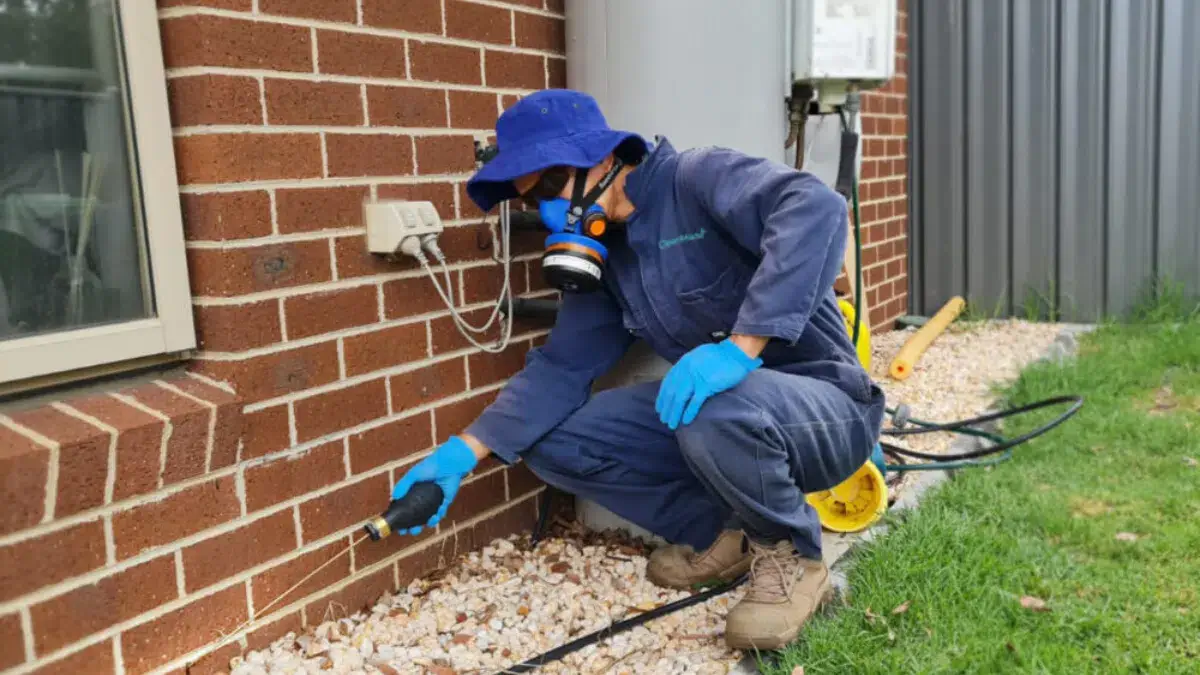
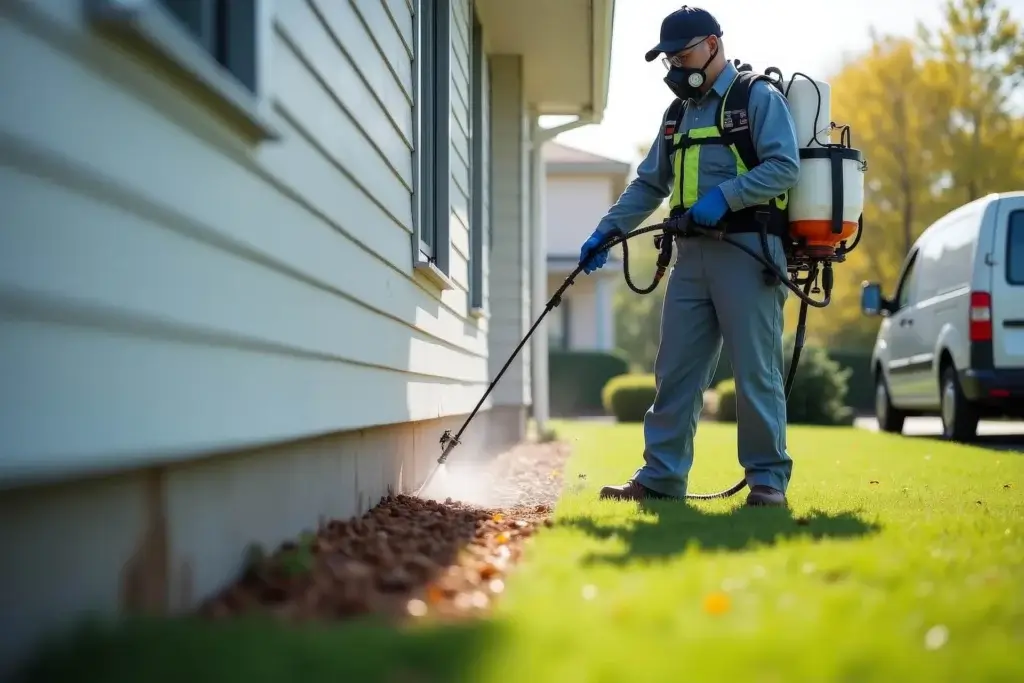
Pest Control for Heritage Home and older Bungalows H7L H7R Laval
The heritage homes and older bungalows throughout this part of Laval add a structural dimension on top of the environmental one. Buildings that have been standing for sixty, eighty, or a hundred years carry natural settling cracks, original masonry, and wood elements that have cycled through decades of moisture, all of which create entry points that newer construction doesn’t produce. The combination of a river-driven pest environment and an older residential building stock is what makes pest management here more involved than in a newer Laval suburb. Understanding that combination is what allows a treatment plan actually to hold, rather than clearing the visible problem and leaving the conditions unchanged.
Spider Control in Sainte-Rose H7L and H7R
Spider calls from Sainte-Rose follow a consistent annual arc—insect populations along the river peak in July and August. Spider populations build through that same period, feeding along the water’s edge and in the dense vegetation of the riverbank. By late September, falling temperatures reduce outdoor insect availability and spiders begin migrating toward residential structures — through gaps around exterior window frames, under soffit lines, along the foundation perimeter of bungalows and heritage homes, and through any gap in the building envelope that sits at or above grade level.
What the Rivière des Mille Îles Does to Spider Activity
In older properties throughout H7L, original wooden window frames and stone foundation walls carry natural openings that spiders use consistently year after year. In bungalows with attached garages, the seal between the garage and the living space is one of the most reliable entry routes we find on inspection. We treat both the building interior and the exterior perimeter on every spider job in Sainte-Rose — because removing what’s visible inside without addressing the seasonal migration route and the entry points that allow it means the same migration happens through the same gaps the following fall.
Something else worth noting: a significant spike in spider activity inside a home is often a signal that another insect population is active enough to sustain them. Spiders don’t establish in large numbers where there’s nothing to feed on. When spider calls come in from a Sainte-Rose property with particularly heavy interior activity, we look for what’s drawing them in, because resolving the underlying insect issue is what makes spider control hold over more than one season.
Wasp Control in Sainte-Rose
Wasps are a mid-to-late summer fixture in Sainte-Rose, and the combination of mature garden trees, original home eave lines, and consistent food sources near the river makes this neighbourhood particularly active for nesting from June through August. Wasp colonies grow substantially through July and reach their largest and most aggressive state in August, which is also when most homeowners finally decide to call, having tolerated a nest longer than they probably should have.
Common nesting locations around Sainte-Rose properties include the underside of roof eaves and fascia boards on older homes, inside garage wall voids and attic vents, in the ground near garden beds, under wooden deck structures, and inside wall cavities of heritage homes where exterior wood has a gap large enough to allow access. Ground nests near the river corridor are particularly common for yellow jackets, and those nests can be large and well-established before they’re noticed.
The right time to call for wasp removal is as soon as a nest is confirmed — not in late August when the colony is at full size and maximum defensive aggression. We handle both accessible exterior nests and those in enclosed structural spaces, using protective equipment and a treatment approach that eliminates the colony rather than dispersing it temporarily. A dispersed wasp colony in an enclosed wall void is a harder problem to resolve than the original nest would have been.
Residential Pest Control across the sainte-rose-laval
Call My Pest Exterminator today for fast, reliable, and affordable rodent control in Montreal.
Rat Control Near the Rivière des Mille Îles
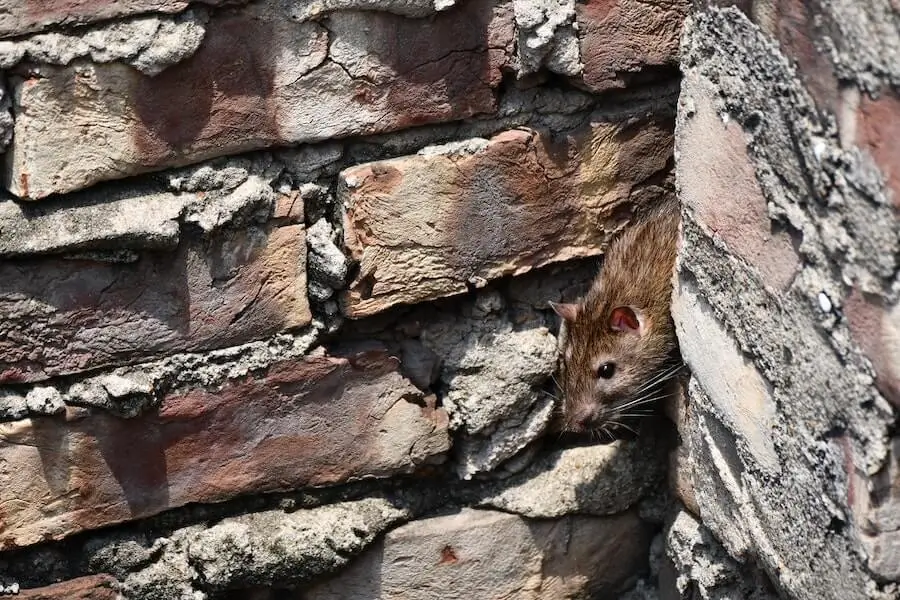
Rats are a waterfront reality in Sainte-Rose that doesn’t get discussed as directly as it probably should. Norway rats use river corridors the way you’d expect — burrowing in the soft, damp soil near the water’s edge, using dense riverbank cover for travel, and extending their range into residential back gardens and fence lines as colony populations grow through the warmer months. By October, as outdoor food sources become less reliable and overnight temperatures make above-ground nesting uncomfortable, those colonies push inward into the established residential blocks of H7L and H7R.
In heritage homes and older bungalows, rats almost always establish outdoors before any indoor activity is noticed. The early signs are easy to overlook: burrow holes in garden beds near a fence line, disturbed soil beneath a wooden deck or garden shed, grease marks along the lower section of an exterior wall near a utility penetration. By the time a rat is visible inside the house, the outdoor colony producing it has typically been present for several weeks.
Rat control in Sainte-Rose
My Pest Exterminator begins rat control in Sainte-Rose at the exterior — a full perimeter inspection of the garden, the foundation line, and any outdoor structures before the inside of the building is assessed. For heritage properties with original stone foundations, exclusion work requires materials suited to older masonry — steel mesh set correctly into settling cracks, rather than foam fillers that deteriorate and leave the same access point open within one or two winters.
Ant Extermination for Sainte-Rose Bungalows and Heritage Homes
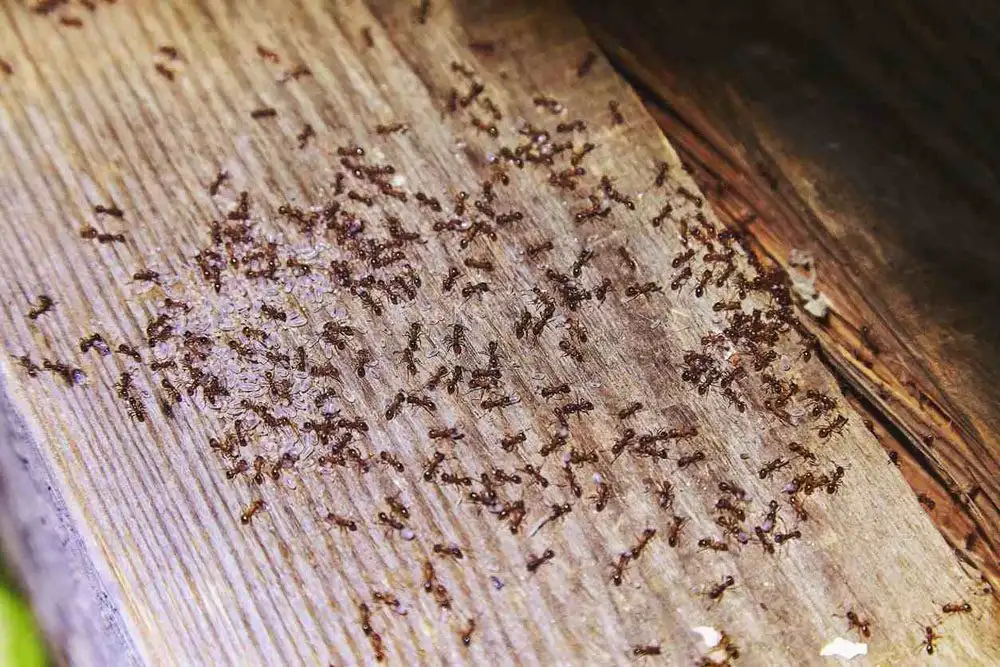
Ants follow a spring and summer pattern in this neighborhood that’s predictable enough to plan around. Pavement ants nesting in soil along foundation walls and beneath patio or driveway concrete are the most common residential complaint. They push inside through cracks at grade level and gaps around utility penetrations once the colony expands in May and June. In riverside properties throughout H7L and H7R, moisture-loving ant species also establish in the damp ground close to the water’s edge and can work their way toward structures along the foundation perimeter.
Carpenter ants are the more serious concern in Sainte-Rose’s older housing stock. Heritage homes and pre-war bungalows have wood elements, basement framing, sill plates, original porch structures, and older fascia boards that have absorbed enough seasonal moisture over decades to attract carpenter ants as a nesting site. Their presence inside a building is almost always a sign that moisture has reached structural wood somewhere, which is worth identifying alongside the pest treatment rather than leaving unaddressed after the ants are gone.
We identify the species before treating, because pavement ants and carpenter ants require genuinely different approaches , and applying one method to the other consistently produces results that don’t hold through the following season.
Heritage Home Pest Control: A Specific Kind of Inspection
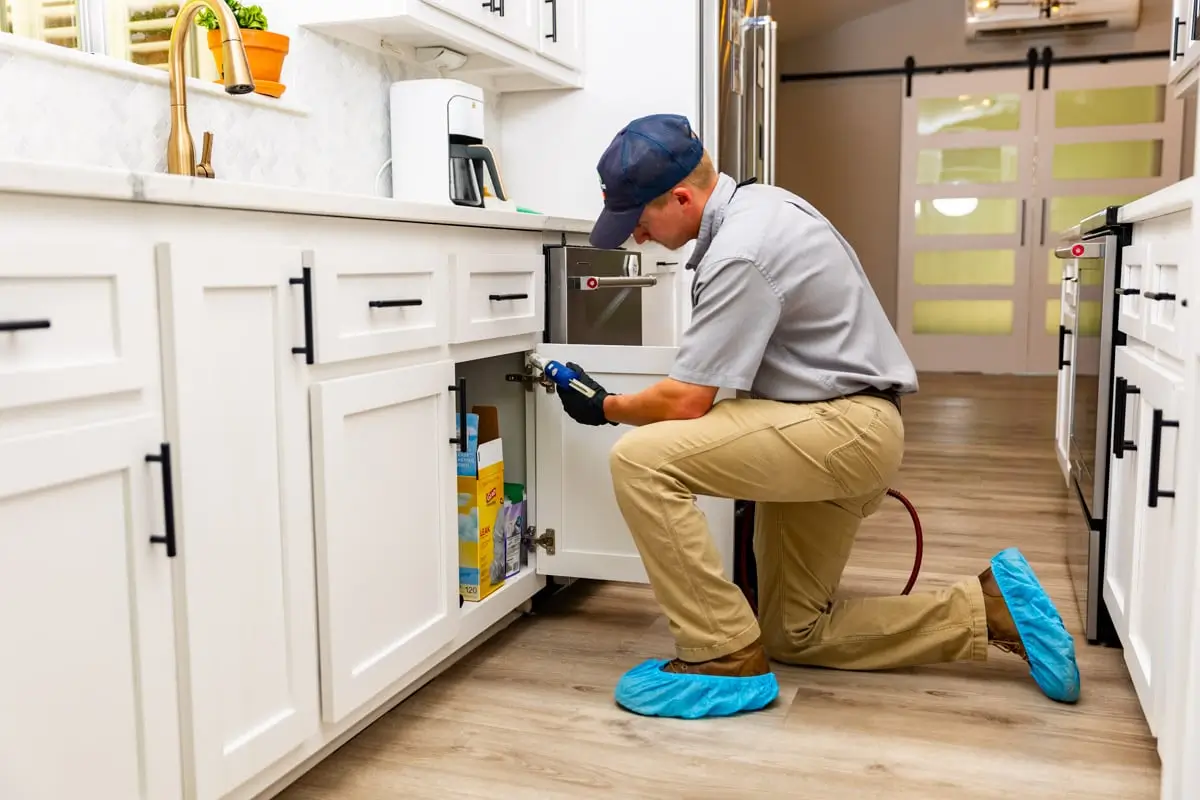
Several streets throughout Sainte-Rose carry homes that are genuinely old by Quebec standards, century homes and pre-war bungalows with stone foundations, original wood siding, and structural details that newer construction doesn’t produce. Pest inspections on these properties are not the same exercise as assessing a post-2000 build, and My Pest Exterminator approaches them accordingly.
Original masonry foundations carry natural gaps from decades of frost and settling that poured concrete foundations don’t. Original wood window frames in older homes have tolerances that aluminum replacements don’t create. Attic spaces in pre-war bungalows often have soffit and fascia details that weren’t designed to seal against wildlife or pest entry the way modern trim profiles are. We assess these structural specifics on every heritage property rather than applying a standard residential checklist. Because the entry points are different, the materials for exclusion work need to be chosen accordingly, and what holds in a 1990s subdivision bungalow may not be the right solution for a home built in 1930
Serving H7L, H7R, and Nearby Laval Communities
Beyond Sainte-Rose itself, My Pest Exterminator regularly covers Fabreville, Vimont, Auteuil, and Rosemère — Laval-area communities that share similar riverside character and housing stock. Working across this part of the greater Montreal region consistently gives us a current read on what’s active seasonally and what patterns are moving through the area at any given time of year.
Get in Touch with a Local Sainte-Rose Pest Expert
Sainte-Rose runs a pest calendar that spans four categories across two full seasons — ants and wasps in spring and summer, spiders and rats through fall and into winter. None of these resolves on its own, and all of them are meaningfully easier and less expensive to manage when caught before they’re fully established inside the home. If you’re dealing with any of these problems in your H7L or H7R property, reach out to the team at mypestexterminator.com, and we’ll arrange an inspection built around what your specific property actually needs. We’ve spent years working in bungalows and heritage homes across this part of Laval, and we’re glad to help you stay ahead of what this neighbourhood produces.

Need Discreet Pest Control in sainte-rose-laval?
Call My Pest Exterminator today for confidential, professional rodent removal.
Frequently Asked Questions About Pest Control Sainte-Rose in Laval
The river corridor supports high insect populations through summer — damp soil, slow-moving water, and dense riverbank vegetation create ideal breeding conditions from May through August. Spiders follow that food source, building in significant numbers near the water before migrating into residential structures as temperatures drop in September and outdoor insects become scarce. Properties in H7L closest to the waterfront feel this transition earliest each fall.
Norway rats establish burrows in the soft soil along the Rivière des Mille Îles bank and extend their range along fence lines and garden areas as the colony grows through summer. By fall, as outdoor conditions change, they push toward residential structures — entering through foundation gaps, utility penetrations, and settling cracks in older stone masonry that are common in Sainte-Rose’s heritage homes. An outdoor inspection of the garden perimeter is where rat control here actually begins.
Wasp colonies begin establishing in June, grow substantially through July, and reach their largest and most defensive state in August. The optimal time to remove a nest is early in the season when the colony is small. Waiting until late August means dealing with a much larger and more aggressive colony, particularly in the enclosed structural spaces — wall voids, attic areas, under decking — where nests in older Sainte-Rose homes commonly form.
Burrow holes in garden beds near a fence line or retaining wall, disturbed soil beneath a wooden deck or shed, grease marks along the lower section of an exterior foundation wall near a utility penetration, and outdoor droppings concentrated near waste storage or compost bins are the most reliable early indicators. Indoor sightings during daylight hours almost always mean the outdoor colony is well-established and large.
Because the outdoor colony wasn’t eliminated, only the indoor trail was addressed. Over-the-counter treatments typically clear what’s visible inside without reaching the colony established in soil along the foundation or beneath patio concrete outside. Locating the colony source and treating it directly is the step that produces results that hold through the following season.
Yes, meaningfully so. Century-old and pre-war homes in Sainte-Rose carry original masonry foundations with settling gaps, wood window frames with natural tolerances, and attic and soffit details that create different entry points than modern construction. My Pest Exterminator inspects these structural specifics on every heritage property and selects exclusion materials suited to older building materials — not a standard checklist written for newer builds.
Cost depends on the pest type, the size and age of the property, and the extent of the infestation. Spider treatment for a single bungalow is a different scope from rat control, which involves outdoor perimeter exclusion work on a heritage property with an original stone foundation. An on-site inspection gives the most accurate estimate — phone estimates for properties this varied in age and construction are rarely reliable.
Yes. Nests inside wall cavities, attic areas, or under deck structures require protective equipment and treatment methods that eliminate the colony rather than dispersing it into the surrounding wall space. My Pest Exterminator handles both accessible exterior nests and those in enclosed structural locations throughout H7L and H7R properties in Sainte-Rose.
Yes — we regularly cover Fabreville, Vimont, Auteuil, and Rosemère, as well as other Laval communities sharing similar riverside and residential pest dynamics with Sainte-Rose. We also serve the broader Greater Montreal region through our network of local service areas.
For ants and wasps, early spring through June gives the best results — colonies are still small and haven’t pushed indoors in significant numbers. For spiders, a treatment before late September interrupts the seasonal migration before it establishes indoors. For rats, September is the critical window — getting outdoor exclusion and foundation sealing done before October, when rodent pressure against residential structures peaks, consistently produces better results than addressing an active infestation mid-winter.
Yes — we regularly cover Fabreville, Vimont, Auteuil, and Rosemère, as well as other Laval communities sharing similar riverside and residential pest dynamics with Sainte-Rose. We also serve the broader Greater Montreal region through our network of local service areas.