Pest Control Rivière-Des-Prairies–Trembles
Pest control Rivière-des-Prairies–Trembles with Local exterminator, RDP fast, reliable, and effective pest control.
- Exterminator Rivière-des-Prairies Montreal
- mice exterminator H1C Montreal
- Ant control H1B Rivière-des-Prairies
- spider exterminator RDP Montreal
- pest control Repentigny near Montreal
- warehouse pest control east Montreal
4.9 Stars | Google Reviews | Thousands of Happy Clients
- Experienced VMR H3P Residential Pest Removal

Rivière-des-Prairies–Trembles Pest Control Local Exterminator for Homes and Businesses
If you live or work in the east end of the island, Rivière-des-Prairies–Trembles pest control is something you’ve likely thought about more than once. Whether it’s spiders building webs in the basement every September, ants appearing along the kitchen counter each spring, or mice scratching inside the walls as October arrives, the pest patterns in this part of Montreal follow a reliable rhythm — one that’s driven largely by the river, the industrial land nearby, and the density of suburban bungalows throughout H1A, H1B, and H1C. My Pest Exterminator has worked this neighbourhood and the surrounding east Montreal communities long enough to understand what that rhythm looks like, and how to stay ahead of it.
Why Pest Pressure Is Different Along the Rivière des Prairies
Most pest problems have an environmental explanation, and in Rivière-des-Prairies–Trembles, the river is usually part of it. The Rivière des Prairies corridor runs along the northern edge of the borough, and that riverbank ecosystem — dense vegetation, soft damp soil, high insect activity through the warmer months — functions as a natural launching point for the pests that end up in residential yards and homes. Spiders follow insect concentrations along the water. Ants establish colonies in undisturbed riverside soil before a trail eventually shows up inside a kitchen. Mice use the cover of riverbank vegetation to move inland as temperatures fall.
Properties closest to the water in H1A and H1C tend to feel this pressure first and most intensely. But the seasonal migration of pests from the riverfront into the residential and industrial zones further inland means that even homes several blocks from the water end up dealing with the same species — just a few weeks later in the season. Understanding that pattern is what allows effective pest control here to get ahead of the problem rather than react to it after it’s already established indoors.
The industrial zones throughout H1B add another layer. Undisturbed gravel lots, warehouse perimeters, and storage yards provide the same kind of cover the riverbank does — quiet, rarely disturbed ground where pest colonies build up unnoticed until a seasonal change or a construction project pushes them outward into nearby residential streets.
Spider Control in Rivière-des-Prairies–Trembles
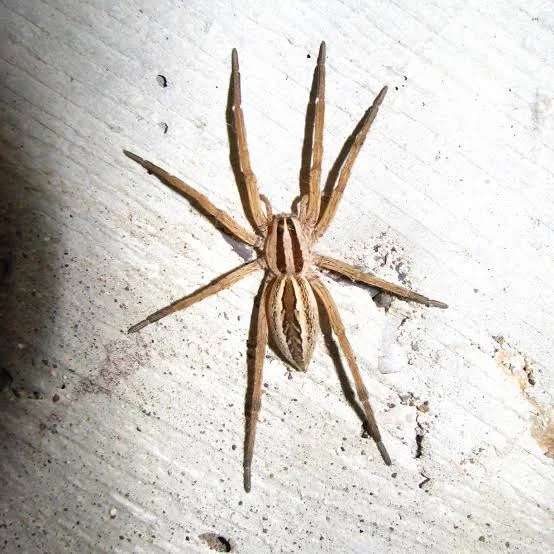
Spider prevalence is one of the most consistent characteristics of Rivière-des-Prairies–Trembles as a pest zone, and the river is the primary reason. High insect activity along the water through June, July, and August gives spiders an unusually rich food source, which means populations build larger here than in drier, more inland parts of the city. By September, when temperatures start to drop and spiders begin moving toward warmer shelter, the homes and warehouses nearest the river see the first and heaviest activity.
In residential bungalows, spiders typically enter through basement window wells, gaps around exterior doors, and any opening in the building’s envelope that sits close to ground level. Window well covers, properly sealed door frames, and vegetation kept clear of the foundation wall all reduce access — but once spiders are inside, they tend to nest in low-traffic areas like storage rooms, utility spaces, and behind large appliances.
For commercial properties and warehouses in the H1B industrial sector, spider populations in ceiling structures and storage racking are a common problem that worsens significantly if left unaddressed through the summer. Treating the harborage zones — the areas where spiders are actually nesting, not just where they’re visible — is what separates a treatment that holds from one that needs to be repeated every few weeks.
My Pest Exterminator treats both the interior and the exterior perimeter when addressing spider infestations here, because the source is almost always outside. Clearing what’s indoors without addressing the entry points and outdoor harborage zones means the same problem returns from the same direction.
Ant Extermination Services for H1A, H1B, H1C
Ants are a spring and summer fixture in this neighbourhood. The combination of suburban lawn and garden space, riverfront soil, and the gravel and packed earth around industrial lots gives several ant species more than enough undisturbed ground to establish colonies in. What homeowners see inside the house — the trail across the kitchen counter or along the bathroom baseboard — is the visible end of a colony that’s almost always outdoors.
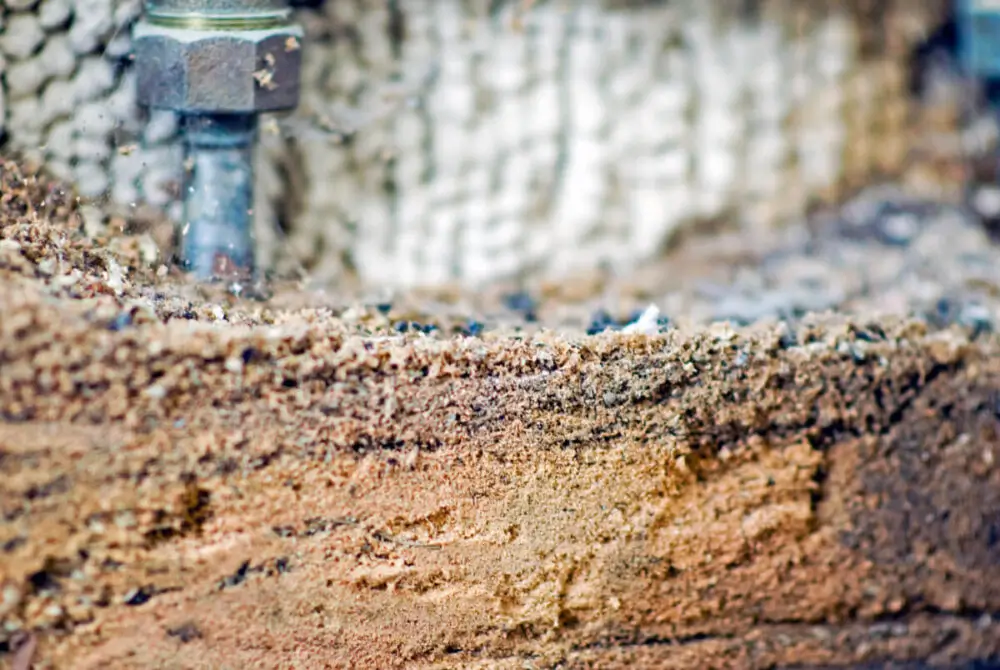
Pavement ants are the most common residential complaint in Rivière-des-Prairies–Trembles. They nest in soil along the foundation line, under patio slabs and driveway edges, and push inside looking for food through cracks in the slab or gaps around utility penetrations. Carpenter ants show up less frequently but carry more structural risk — they nest in moist or damaged wood, often in basement framing or crawlspace areas, and their presence usually points to a moisture problem that’s worth investigating beyond just the ant treatment itself.
For warehouse and industrial facilities in H1B, ant activity near loading dock perimeters and outdoor waste storage is a recurring operational concern. A trail inside a commercial building typically means a colony is established somewhere on the exterior lot, often well away from where the trail enters. Surface treatment alone — spraying where the trail is visible — reliably pushes the problem to a different entry point without actually resolving it. We locate the colony first, treat at the source, and address the exterior conditions that made the site attractive to begin with.
Mice Control for Suburban and Industrial Properties
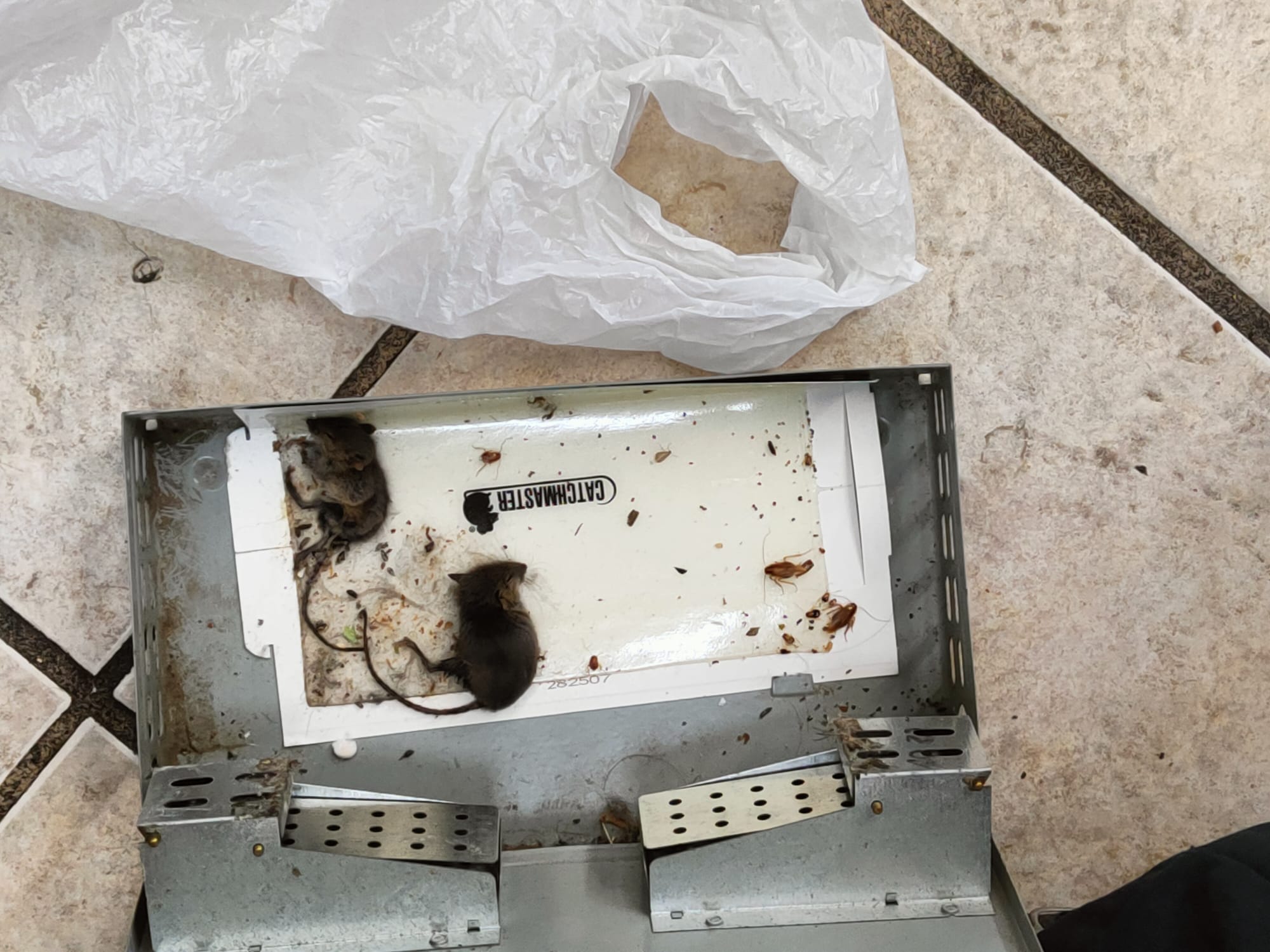
Mice become the primary pest concern across the borough from October onward. The suburban bungalows throughout H1A and H1C are particularly accessible because so much of their structure sits at ground level — attached garages, foundation slab edges, utility penetrations close to grade — all of which become functional entry points when mice begin actively pushing indoors as temperatures drop.
What’s worth knowing in this specific neighbourhood is that the timing of rodent activity here can be influenced by what’s happening at nearby industrial sites. When a warehouse or storage facility undergoes seasonal maintenance, partial closure, or construction work, it can displace mouse populations that have been building up in undisturbed parts of the lot through the summer. Those mice don’t disappear — they move, and the nearest residential streets often absorb that pressure within a few weeks.
Getting exclusion work done before mid-October is consistently the most effective approach. Sealing foundation gaps with steel mesh and concrete, installing door sweeps on garage and exterior doors, and checking utility penetrations for gaps around pipes and conduit are the structural fixes that prevent entry. Trapping alone, without addressing how mice are getting in, produces short-term results at best.
For warehouse operators in H1B dealing with mice near loading docks or in pallet storage areas, an ongoing monitoring program with regular station checks gives the kind of early visibility that prevents a small rodent issue from becoming a compliance or contamination problem.
Residential Pest Control across the Rivière-Des-Prairies
Call My Pest Exterminator today for fast, reliable, and affordable rodent control in Montreal.
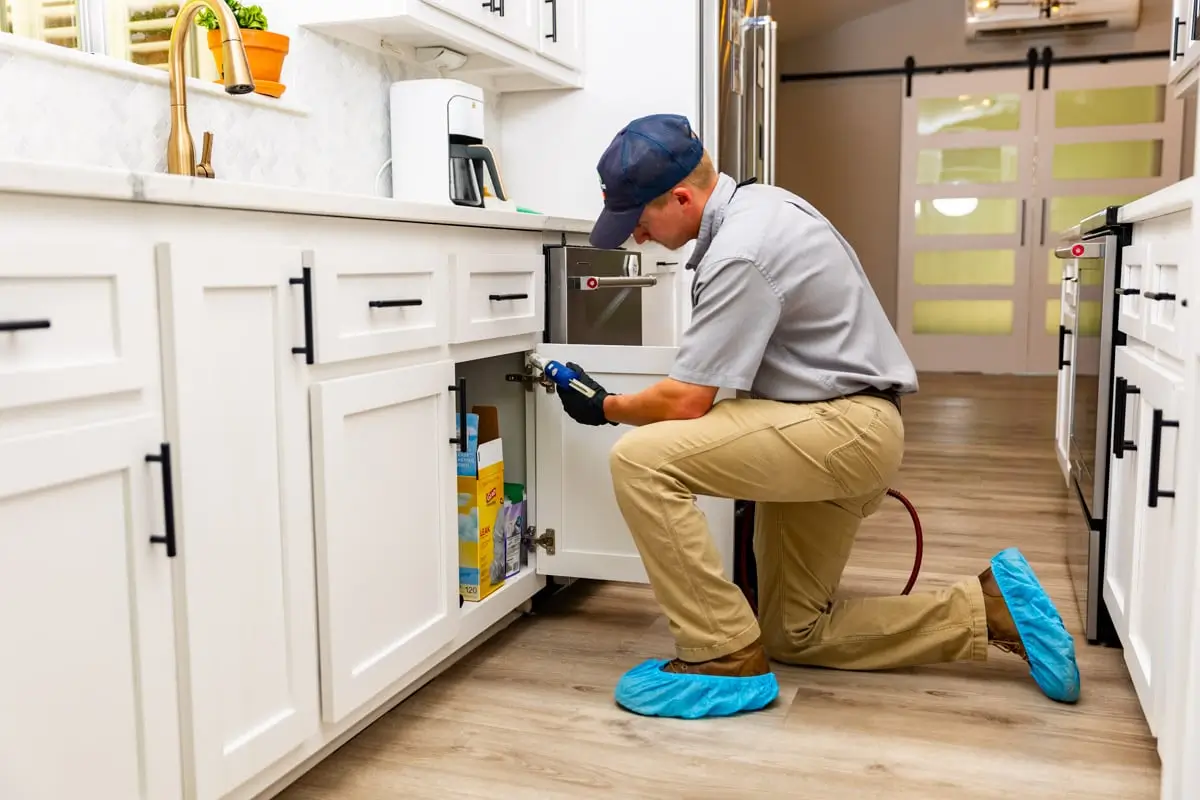
Residential and Commercial Pest Control Across the East End
My Pest Exterminator works throughout Rivière-des-Prairies–Trembles — covering H1A, H1B, and H1C — and regularly extends service into Montréal-Est, Anjou, Saint-Léonard, and communities further east toward Repentigny. Working this stretch of the island consistently means we’re current on what’s active locally, what’s seasonal, and what’s being driven by broader environmental or industrial factors in the area.
For residential clients, every visit includes a full exterior inspection before any treatment is recommended — because in a neighbourhood shaped by a river on one side and industrial land on the other, the source of a pest problem is rarely just inside the home. For commercial clients, we build programs around the operational schedule of the facility and provide documentation where required for compliance purposes. Emergency response is available for both residential and commercial situations where the problem can’t wait for a scheduled appointment.
Frequently Asked Questions About Rivière-des-Prairies–Trembles Pest Control in Montreal
The river corridor supports dense vegetation and high insect populations through the warmer months, which creates an unusually large food source for spiders. Properties in H1A and H1C closest to the water tend to see the highest spider activity from late summer onward, as spiders follow insect concentrations inland when temperatures begin to drop in September.
Bungalows are particularly accessible for mice because so much of the structure sits at ground level. Foundation gaps, garage door thresholds, utility penetrations near the slab, and low-profile crawlspace vents are the most common entry points. Mice only need a gap the size of a dime to squeeze through, which makes proper sealing the most reliable prevention.
Riverside soil is ideal for ant colony establishment — soft, damp, and rarely disturbed. Pavement ants nesting along the foundation line and in garden beds are common in these postal codes, and the trail that appears inside the kitchen typically traces back to a colony established outdoors, sometimes several metres from where the ants are entering the home.
Cost depends on the pest type, the size of the property, and how advanced the infestation is. A single-service residential treatment for spiders or ants is typically lower cost than a rodent exclusion program that involves both sealing and trapping. The most accurate way to get a number is through an on-site inspection, which gives a clearer picture than any estimate made over the phone.
If DIY treatment hasn’t resolved the problem after one or two attempts, or if the pest is reappearing in the same area despite treatment, that usually means the source hasn’t been addressed. Recurring spider activity, an ant trail that keeps coming back, or any rodent activity inside the home are all situations where a professional inspection will find what’s driving the problem rather than just what’s visible.
Yes. My Pest Exterminator works with warehouse operators and facility managers in H1B and across the industrial zones of the east end on programs that include perimeter monitoring, exclusion work, and scheduled treatments designed around facility operations. Documentation for compliance purposes is available as part of commercial service.
The approach shares the same principle — treat the harborage zones and entry points, not just the visible spiders — but the scale and environment are different. Warehouse ceiling structures, storage racking, and loading dock areas require different access and treatment methods than a residential basement. We adjust for the environment.
It matters significantly, because they require different treatment. Pavement ants nest in soil near the foundation and are managed with perimeter and colony treatment. Carpenter ants nest in moist or damaged wood and their presence inside a home often points to a moisture issue that should be investigated alongside the pest treatment. We identify the species during inspection before recommending anything.
Yes. My Pest Exterminator regularly covers Montréal-Est, Anjou, Saint-Léonard, and communities further east toward Repentigny. Working across the east end of the island consistently means we’re familiar with the local pest patterns in each of these areas.
September is the ideal time. Getting exclusion work done before October — when mice begin actively pushing indoors — gives the most reliable results. Addressing an active infestation in the middle of winter is harder, more expensive, and involves more disruption to the home than preventive sealing done before the season starts.